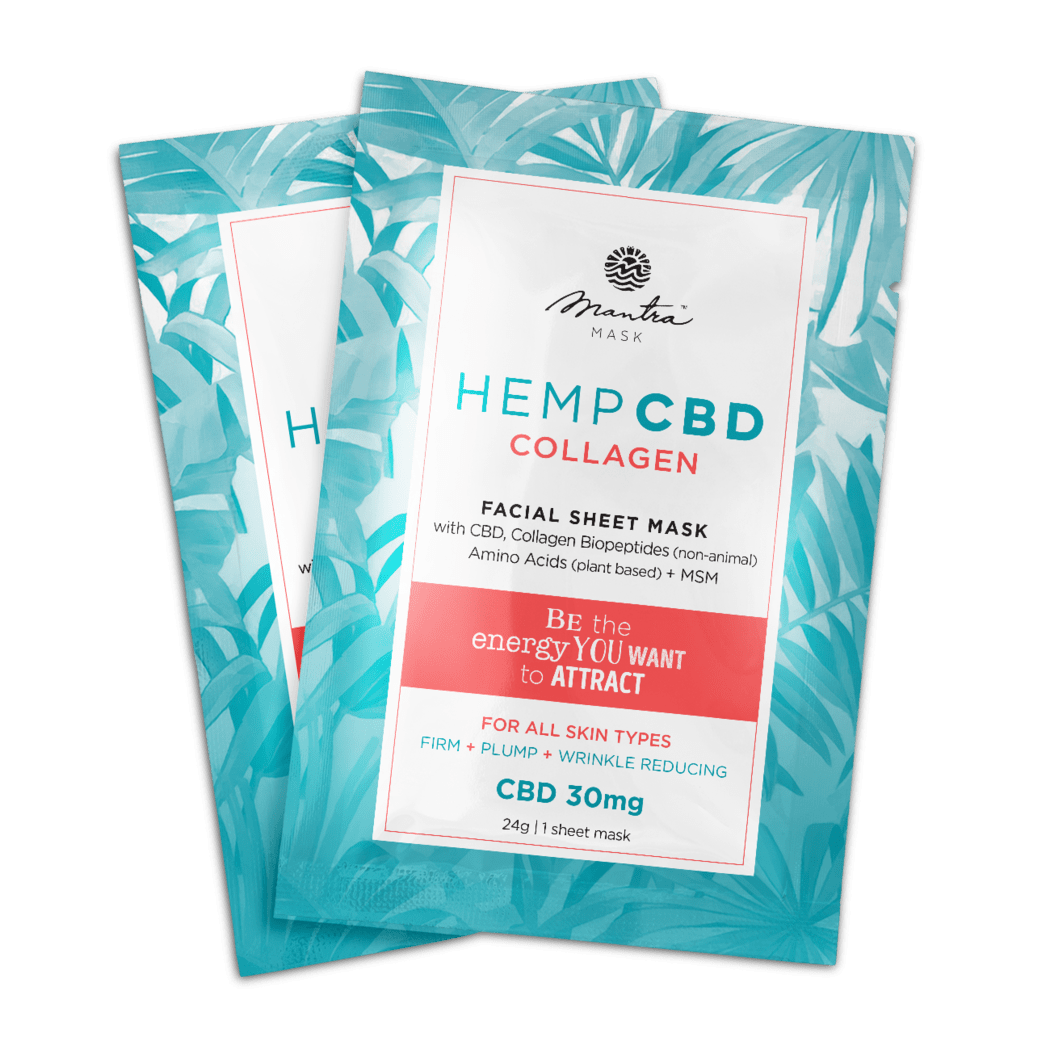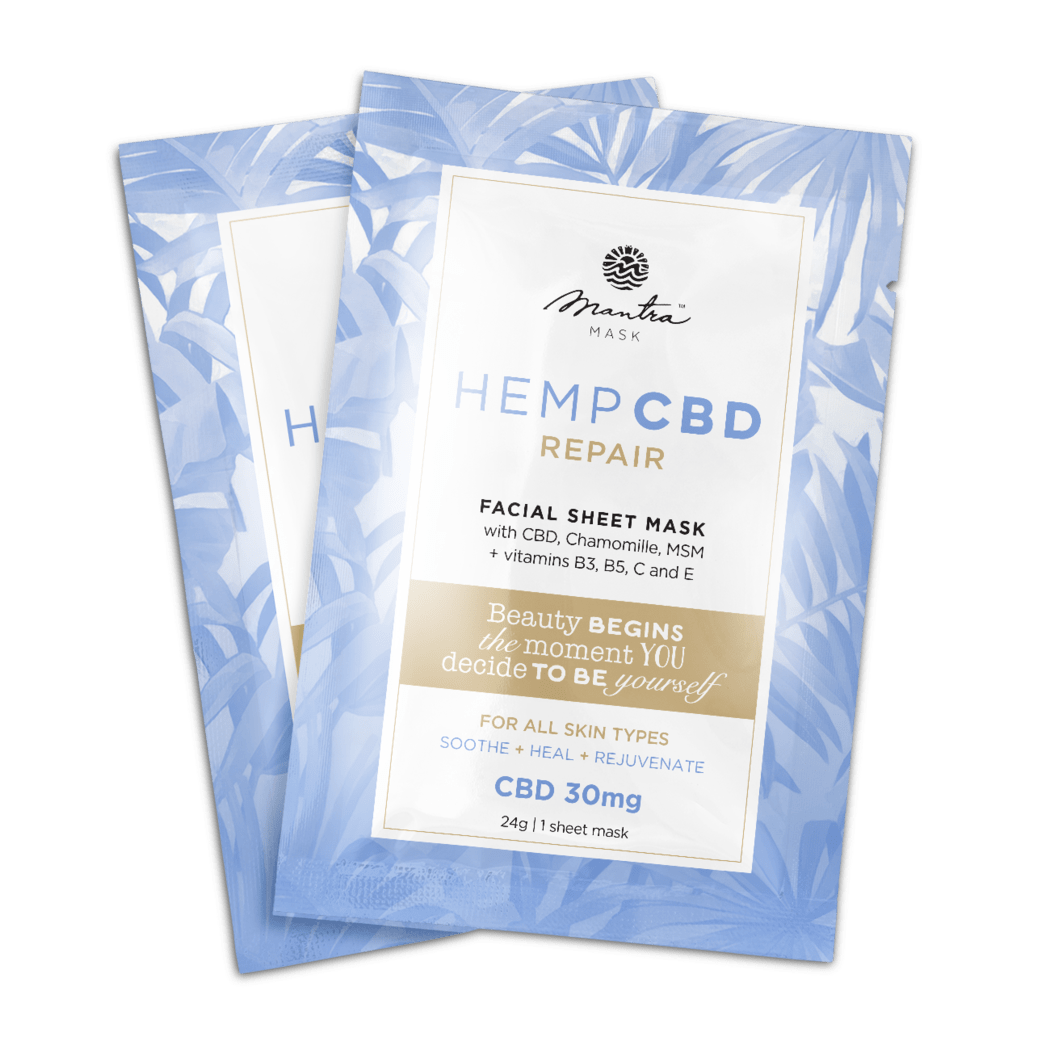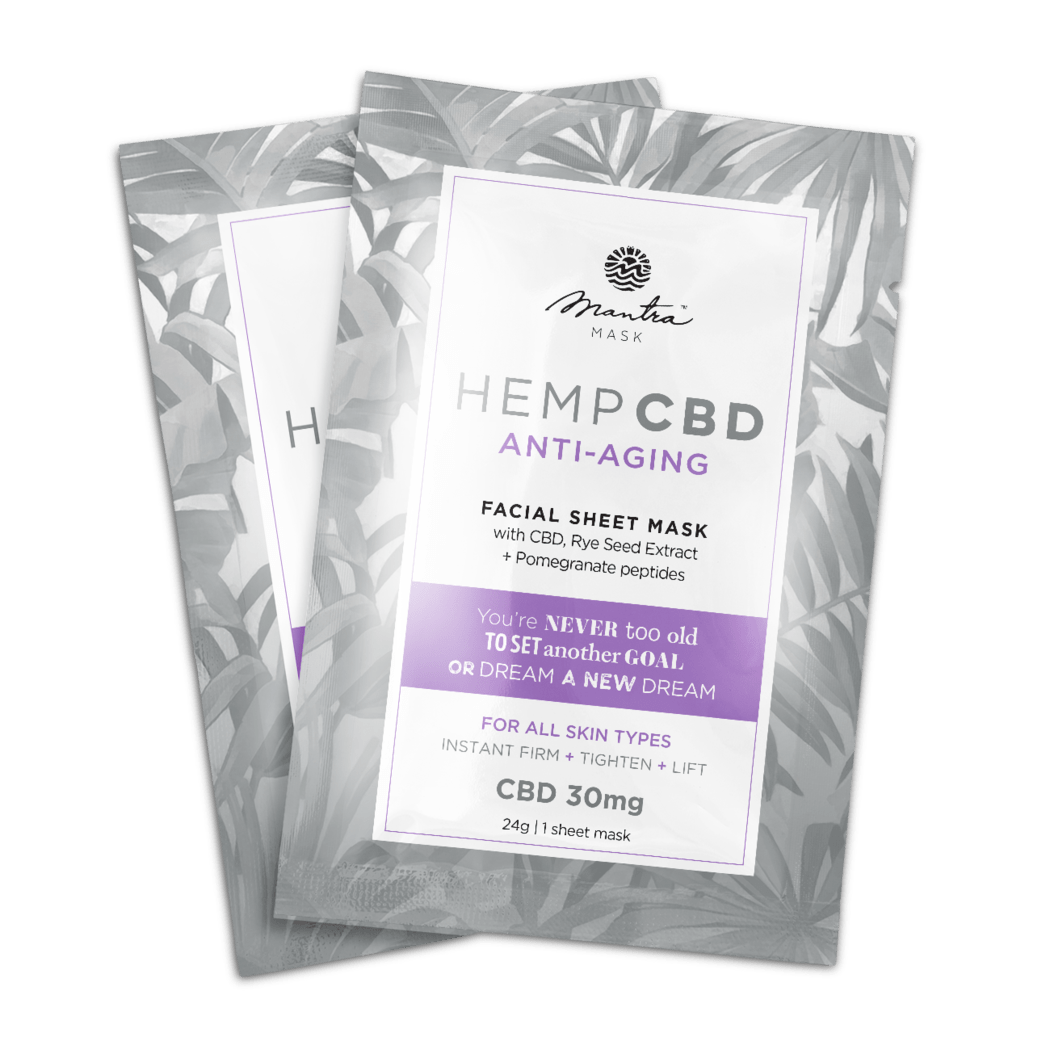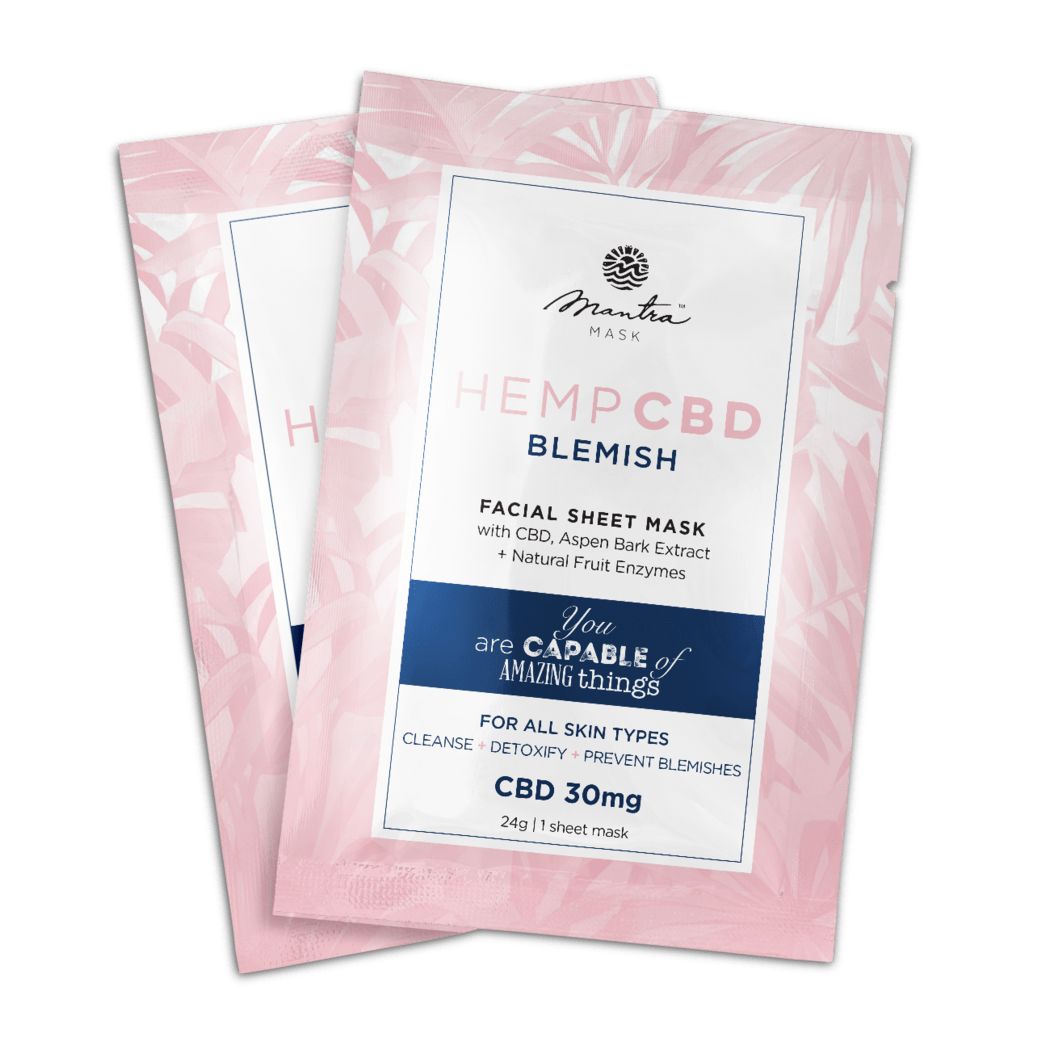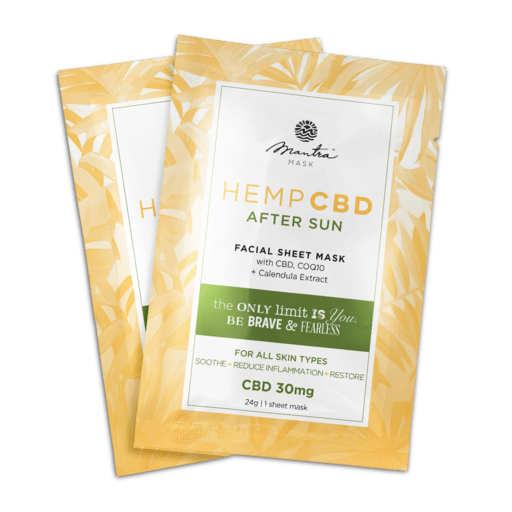
Cannabidiol (CBD) has gained significant attention in recent years for its potential benefits for the skin. As a non-psychoactive compound derived from the cannabis plant, CBD is believed to offer a range of therapeutic properties that can positively impact skin health. Here, we explore the various ways in which CBD may benefit the skin.
One of the most notable effects of CBD on the skin is its anti-inflammatory properties. Inflammation is a common underlying factor in many skin conditions, such as acne, eczema, and psoriasis. CBD has been shown to modulate the body’s inflammatory response, helping to reduce redness, swelling, and irritation associated with these conditions. By targeting the root cause of inflammation, CBD may provide a more effective and holistic approach to managing these skin issues.
CBD’s ability to regulate sebum production is another key benefit for the skin. Excess sebum, or oil, can contribute to the development of acne and other blemishes. Research suggests that CBD may help to balance sebum production, preventing the overproduction that can lead to clogged pores and breakouts. This sebum-regulating effect can be particularly beneficial for individuals with oily or acne-prone skin.
In addition to its anti-inflammatory and sebum-regulating properties, CBD is also believed to have antioxidant effects. Antioxidants are essential for protecting the skin from the damaging effects of free radicals, which can accelerate the aging process and contribute to the development of fine lines, wrinkles, and other signs of skin aging. By neutralizing these harmful free radicals, CBD may help to maintain a more youthful and radiant complexion.
Furthermore, CBD has been shown to have a positive impact on the skin’s barrier function. The skin’s barrier is crucial for maintaining hydration, protecting against environmental aggressors, and preventing the loss of essential moisture. CBD has been found to strengthen the skin’s barrier, helping to improve its overall resilience and ability to retain moisture. This can be particularly beneficial for individuals with dry or sensitive skin, as a healthy skin barrier is essential for maintaining a balanced and well-hydrated complexion.
Another potential benefit of CBD for the skin is its ability to promote wound healing. Research has indicated that CBD may help to accelerate the healing process for minor cuts, scrapes, and other skin injuries. This wound-healing effect is thought to be due to CBD’s anti-inflammatory and regenerative properties, which can help to reduce scarring and promote the growth of new, healthy skin cells.
Moreover, CBD’s calming and soothing effects can be particularly beneficial for individuals with sensitive or reactive skin. The compound has been shown to help reduce redness, irritation, and discomfort associated with conditions such as rosacea or contact dermatitis. By providing a gentle and soothing treatment option, CBD may offer a more tolerable and effective solution for those with sensitive skin.
It’s important to note that while the potential benefits of CBD for the skin are promising, more research is needed to fully understand its effects and mechanisms of action. As with any skincare ingredient, individual results may vary, and it’s always advisable to consult with a dermatologist or skincare professional before incorporating CBD into your routine.
In conclusion, CBD has emerged as a potentially valuable addition to the skincare landscape, offering a range of benefits that can help to improve the overall health and appearance of the skin. From its anti-inflammatory and sebum-regulating properties to its antioxidant and wound-healing effects, CBD may provide a holistic and effective approach to addressing a variety of skin concerns. As the research continues to evolve, CBD’s role in the skincare industry is likely to become even more prominent, offering consumers a new and innovative way to care for their skin.